
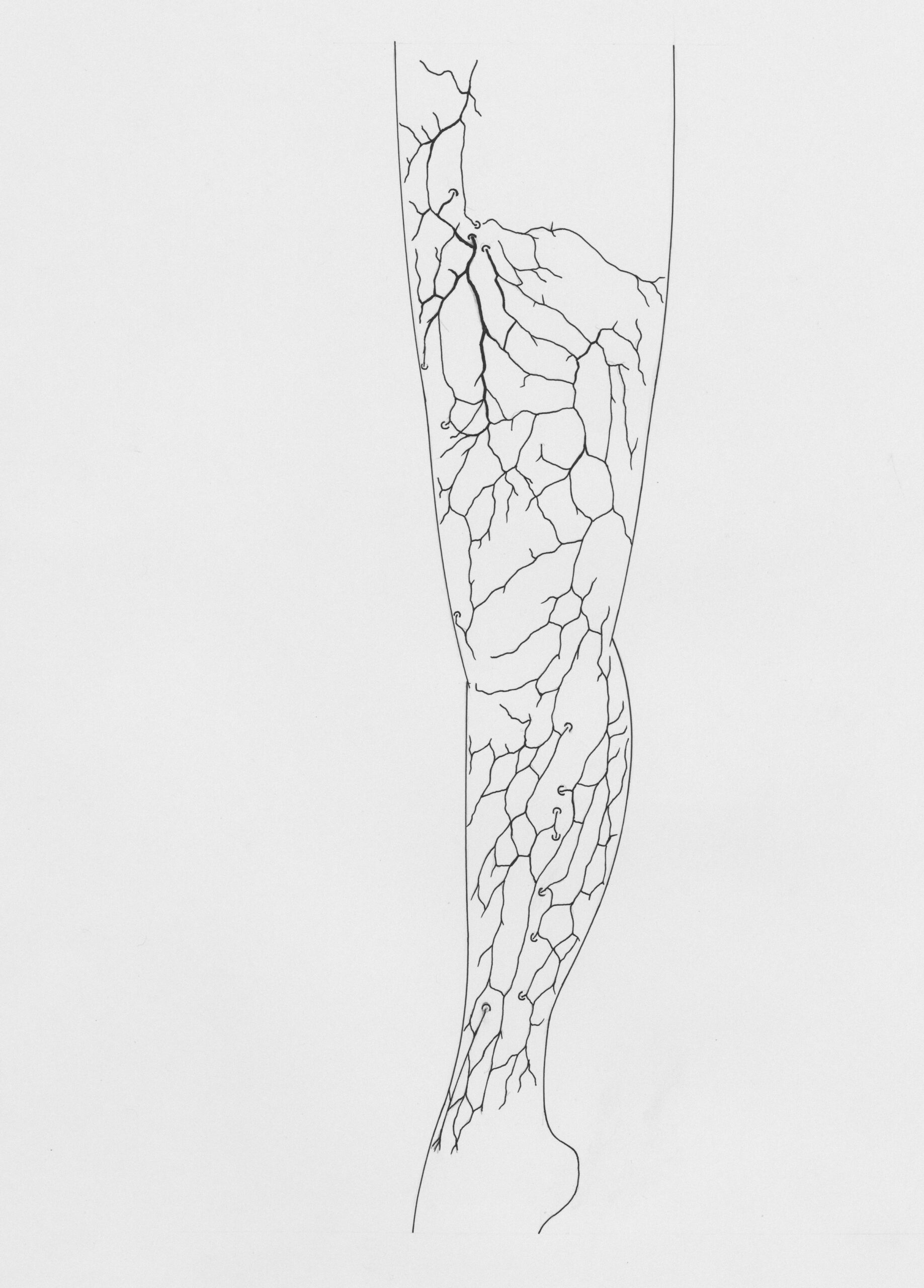
Case Study: Long-Standing Lymphoedema Shows Significant Improvement with Adjunct Red Light and Frequency Therapy
Case Study: Long-Standing Lymphoedema Shows Significant Improvement with Adjunct Red Light and Frequency Therapy
In collaboration with insights from Kate Butler, Lymphoedema and Oncology Massage Therapist and educator.
Background
Long-standing lymphoedema can be challenging to manage even when patients are highly compliant with gold-standard therapies such as compression, manual lymphatic drainage, and lifestyle management.
This case study documents the experience of a 73-year-old woman with primary bilateral lower-limb lymphoedema who demonstrated significant functional improvement following the introduction of Red Light Therapy (RLT) combined with Rife frequency therapy as an adjunct treatment.
The client had been under the long-term care of lymphoedema specialist Kate Butler, who has treated her consistently for eight years.
Client Profile
Diagnosis:
Bilateral primary lower-limb lymphoedema triggered after surgery at age 40.
Medical imaging:
A lymphoscintigram assessment failed to identify inguinal lymph nodes, indicating a complex lymphatic presentation.
Duration of professional lymphoedema management:
8 years of weekly lymphatic drainage therapy, level 2 compression stockings worn 24/7 and renewed every 6 months.
Lifestyle factors
The client demonstrates exceptional compliance with lifestyle recommendations:
- Maintains a lean, stable body weight
- Regular yoga practice (4 times a week)
- Nutritious, balanced diet
- Active daily lifestyle
Compression adherence
For over 25 years, the client wore compression garments continuously:
- Compression pantyhose worn 24 hours per day
- Comfiwave garments overnight
She had also explored multiple therapeutic avenues including:
- Conservative lymphatic therapy
- Garment optimisation
- Surgical consultation for vascularised lymph node transfer (not deemed a candidate)
According to her therapist:
“She is the most compliant client I have ever worked with.”
The Clinical Challenge
Despite diligent long-term management, the client continued to experience fluctuations in limb volume.
Common triggers included:
- Summer heat
- Prolonged standing
- Extended sitting
These factors frequently resulted in visible swelling, particularly in one leg more than the other.
Although her tissue quality remained soft and responsive, even brief periods of standing during garment measuring could cause noticeable filling of the limb.
Identifying additional treatment strategies beyond conventional management had proven difficult.
Introduction of Adjunct Therapy
On 16 October 2025, the client commenced treatment at Red Light Therapy Melbourne, where Red Light Therapy combined with Rife frequency therapy was introduced as an adjunct intervention.
Importantly, no other variables in her management plan changed.
At the time of her first session, the client also presented with:
- Arthritis-related pain and inflammation
- Recovery from recent finger surgery
- Ongoing management of lymphoedema using compression garments
Treatment sessions were conducted regularly over a four-month period, with a total of 12 sessions between October 2025 and February 2026.
Early Treatment Response
During the initial sessions, the client reported:
- Reduced overall pain and inflammation
- Improved mobility in the surgically treated finger after sessions
- Increased energy levels in the weeks following treatment
Her lymphoedema remained stable during the early stages of therapy.
Progressive Changes
As treatment progressed, both subjective and clinical observations began to shift.
By December 2025, the client’s lymphoedema therapist noted visible improvement in leg condition, something not previously observed during eight years of consistent treatment.
Additional observations included:
- Improved tissue stability
- Reduced limb filling during normal daily activities
- Increased overall energy levels
Significant Functional Milestone
A particularly notable milestone occurred in February 2026.
For the first time in over 25 years, the client was able to remove her compression stockings for extended periods without rebound swelling.
On one occasion she reported:
- Completing yoga
- Standing in the kitchen making jam
- Driving from the country to Melbourne and back (approximately four hours of driving)
All without wearing compression garments.
Both the client and clinicians described this outcome as extraordinary given the chronic nature of her condition.
Observed Outcomes
Following approximately four months of adjunct therapy, the following changes were observed:
- Significant reduction in leg volume
- Improved tissue stability
- Increased tolerance to prolonged standing
- Reduced swelling during summer months
- Ability to temporarily discontinue compression stockings
- Increased overall energy levels
- Reduced joint pain and inflammation
These changes were notable both subjectively and clinically.
According to Kate Butler, the only new variable introduced during this period was the addition of Red Light Therapy and Rife frequency therapy with Melissa McCulloch at Red Light Therapy Melbourne.
Clinical Significance
While this represents a single case, the observations are noteworthy for several reasons:
- The long-term nature of the client’s condition
- Exceptional compliance with established best-practice lymphoedema management
- Stability of all other treatment variables
- Improvement observed after eight years of plateau
For practitioners working with complex lymphoedema cases, this raises important questions about the potential role of light-based and frequency-based therapies as supportive adjuncts.
Conclusion
After eight years of meticulous lymphoedema management with limited capacity for further improvement, the addition of Red Light Therapy and Rife frequency therapy coincided with a meaningful improvement in limb volume, tissue stability, and daily functional capacity.
While further clinical investigation is warranted, this case suggests that adjunctive therapies targeting cellular energy production, inflammation modulation, and tissue recovery may offer additional support for individuals living with chronic lymphoedema.
Red Light Therapy for Lymphoedema in Melbourne
At Red Light Therapy Melbourne we work with clients experiencing lymphoedema, inflammation and chronic swelling. Red light therapy helps stimulate cellular repair, improve circulation and support lymphatic movement. If you are in Melbourne and exploring non-invasive options for lymphoedema support, red light therapy may be a helpful adjunct therapy.


